

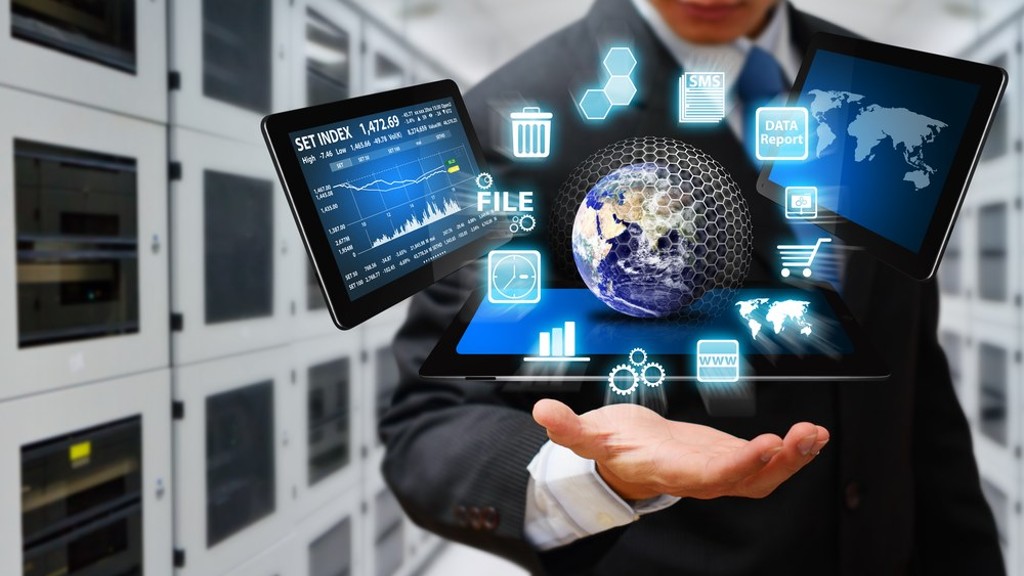
Technology has moved from being a support system to becoming the backbone of how societies function. From how businesses operate to how individuals communicate, modern tech innovations are reshaping daily life at an unprecedented pace. Understanding these changes is no longer optional—it is essential for staying relevant in a digital-first world.
The Rapid Evolution of the Tech Landscape
The speed at which technology evolves today is unlike any previous era. Innovations that once took decades now emerge within years or even months. This acceleration is driven by increased computing power, global connectivity, and massive data availability.
Key Forces Behind Technological Growth
Several factors are fueling this rapid transformation:
- Advanced computing power enabling faster processing and complex simulations
- Global internet penetration connecting billions of users and devices
- Data-driven decision-making powered by analytics and automation
- Open-source ecosystems encouraging collaborative innovation
Together, these forces create an environment where new ideas scale quickly and globally.
Artificial Intelligence as a Core Driver
Artificial Intelligence has shifted from experimental use to practical deployment across industries. It is now embedded in tools people use daily, often without noticing.
Practical Applications of AI
AI technologies are transforming operations in multiple sectors:
- Healthcare: Early disease detection and personalized treatment planning
- Finance: Fraud detection, risk analysis, and algorithmic trading
- Retail: Recommendation engines and demand forecasting
- Customer support: Intelligent chatbots and voice assistants
What makes AI impactful is its ability to learn from data and continuously improve outcomes over time.
Cloud Computing and Digital Infrastructure
Cloud computing has become the foundation of modern digital services. Instead of relying on physical hardware, organizations now leverage scalable online infrastructure.
Why Cloud Technology Matters
Businesses adopt cloud solutions for several compelling reasons:
- Scalability to handle fluctuating workloads
- Cost efficiency by reducing upfront hardware investments
- Remote accessibility supporting distributed workforces
- Enhanced security through centralized updates and monitoring
This shift has enabled startups and enterprises alike to innovate faster and operate more efficiently.
Cybersecurity in an Always-Connected World
As digital adoption increases, so do cyber threats. Protecting data and systems has become a top priority for organizations and individuals.
Emerging Cybersecurity Challenges
Modern cybersecurity must address:
- Ransomware and phishing attacks
- Data breaches targeting sensitive information
- Supply chain vulnerabilities
- Insider threats and human error
To counter these risks, companies are investing in zero-trust architectures, encryption, and continuous monitoring systems.
The Role of the Internet of Things (IoT)
The Internet of Things connects physical devices to digital networks, allowing them to collect and exchange data automatically.
Everyday Impact of IoT
IoT technology is already influencing daily life through:
- Smart home devices that optimize energy use
- Wearable health trackers monitoring vital signs
- Industrial sensors improving manufacturing efficiency
- Smart cities managing traffic and public services
As connectivity improves, IoT ecosystems will become even more integrated and intelligent.
Looking Ahead: What the Future Holds
The future of technology points toward deeper integration between humans and machines. Emerging fields such as quantum computing, extended reality, and autonomous systems promise to unlock capabilities that are currently beyond reach.
Rather than replacing humans, most advancements aim to augment human potential, enabling smarter decisions, greater efficiency, and improved quality of life.
Frequently Asked Questions (FAQ)
1. How does technology impact everyday life?
Technology influences communication, work, healthcare, entertainment, and education by making processes faster, more efficient, and more accessible.
2. Is artificial intelligence replacing human jobs?
AI is more focused on automating repetitive tasks, while creating new roles that require creativity, strategy, and technical oversight.
3. Why is cybersecurity becoming more important?
As more data moves online, the risk of cyberattacks increases, making data protection critical for individuals and organizations.
4. What skills are important for future tech careers?
Skills such as data analysis, programming, cybersecurity awareness, and problem-solving are increasingly valuable.
5. How does cloud computing help small businesses?
Cloud platforms reduce costs, improve scalability, and allow small businesses to access enterprise-level tools without heavy investments.
6. What are smart devices?
Smart devices are connected tools that collect data and perform automated actions, often controlled through apps or voice commands.
7. Will technology continue to evolve this fast?
Yes, advancements are expected to accelerate further due to ongoing research, global collaboration, and increasing digital adoption.
