

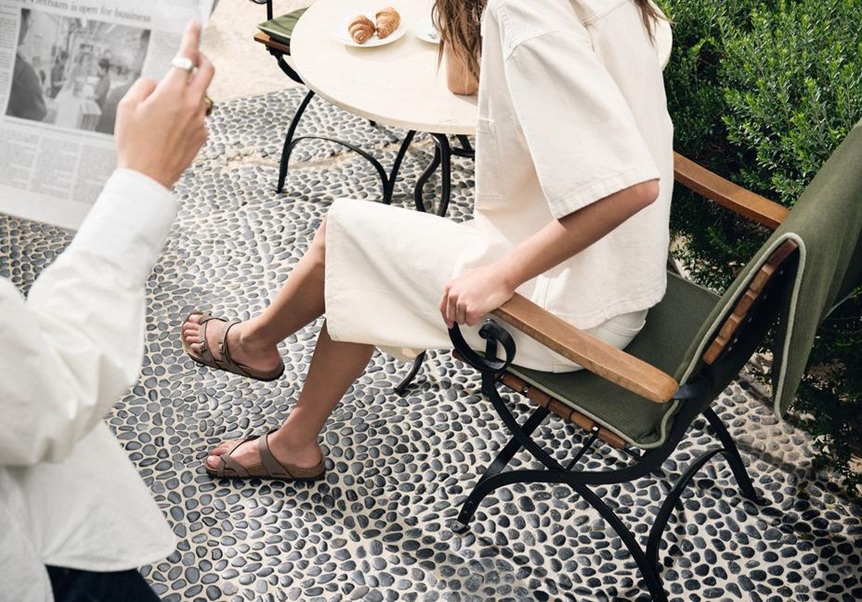
Consumer behaviour rarely changes overnight. It evolves initially through micro decisions before becoming visible in broader market patterns. The footwear category is currently undergoing this shift where buyers are no longer thinking unilaterally. They are asking questions and paying attention to value, quality, and longevity before making their next purchase.
For marketers, this is more than a category story. It reflects a wider movement towards considered consumption, where buyers expect products to justify their place in daily life rather than simply respond to seasonal demand.
Considered consumption is replacing impulse buying
For years, footwear purchases were primarily driven by new collections, seasonal trends or promotional activities around men’s and women’s sandals. Today, the purchase decision is evolving with consumers comparing materials, reading independent reviews, evaluating construction quality and assessing versatility before committing. This behaviour mirrors a broader shift across consumer categories, where ownership is increasingly defined by long-term usefulness rather than volume.
Growing demand for brands like BIRKENSTOCK, which are known for their construction transparency and functional longevity, proves that the traditional approach of promotional pricing and seasonal urgency, carry less weight than before. Instead, the more useful and competitive asset now is product credibility, durability and versatility.
Value is being redefined
The meaning of value in footwear is undergoing a structural change. While price remains a consideration, it’s no longer the primary filter. Factors like durability, material quality, craftsmanship, and expected lifespan are now taking center stage. This more informed approach reflects increasing confidence among buyers who have access to extensive product information before entering a store or completing an online purchase.
For brands, this changes the nature of communication. Marketing messages built around discounts or short-lived excitement carry less influence than transparent stories rooted in product integrity. Carlton London, CUSHIONAIRE, BIRKENSTOCK, are some examples of premium footwear brands positioning themselves on construction quality and durability.
The informed consumer is reshaping brand storytelling
Digital platforms have fundamentally altered the relationship between brands and consumers. Product discovery still happens through advertising and social platforms, but the decision to buy now increasingly leans on wear tests, material information, durability demonstrations, and honest testimonials. Consumers don’t trust imagery alone, they want evidence before they commit.
For marketers, this has left a strategic shift in storytelling. Manufacturing processes, design philosophy, and craftsmanship now feature more prominently in brand communication because they help establish credibility. Brands like Vellinto and Crocs represent a wider industry move in this direction where community-validated storytelling is being used as a primary trust-building mechanism to connect with consumers.
Versatility is emerging as a stronger purchase driver
Hybrid work, flexible schedules, and increasingly fluid lifestyles have changed what consumers expect from everyday products. Footwear, like men’s and women’s sandals, is now expected to transition naturally between professional settings, travel, social occasions, and everyday routines without requiring multiple specialised purchases. Consumers increasingly look for products that remain relevant across different environments instead of limiting their usefulness to a particular season.
From a marketing perspective, versatility is now an important purchase driver because it aligns with the way people organise their wardrobes today.
Why enduring categories continue to outperform
Some product categories and silhouettes retain consumer attention despite changing retail cycles. This is not because of any aggressive marketing, but because they solve practical problems consistently without relying on constant reinvention.
The renewed popularity of clogs illustrates this well. Rather than being viewed as a passing preference, they increasingly represent a category that balances functionality with everyday adaptability. Consumers appear more willing to invest in products that fit naturally into changing routines than those designed purely around seasonal updates. The BIRKENSTOCK Boston is a classic example of a style that has remained commercially relevant across decades due to its genuine use and relevance across seasons and occasions.
For marketers, this signals an important shift. Lasting relevance and genuine utility is becoming a stronger competitive advantage than rapid product turnover.
Footwear That Reflects Today’s Consumer Priorities
As consumer priorities continue to evolve, certain footwear styles stand out for aligning with today’s expectations around comfort, versatility, durability, and timeless design. Whether you’re investing in an everyday staple or looking for footwear that adapts to multiple occasions, these are some of the standout picks for 2026.
Boston Clogs
The continued popularity of Boston Clogs reflects the growing preference for products that prioritise longevity over short-term trends. Their timeless silhouette, versatile styling, and seasonless appeal make them a popular choice for consumers who value footwear that can transition effortlessly throughout the year.
Carlton London Classic Sliders
For those seeking stylish sandals for men and women that fit seamlessly into modern lifestyles, the Carlton London Classic Sliders offer an easy solution. Their understated design makes them suitable for everything from casual outings to travel, reflecting the growing demand for products that work across multiple settings.
CUSHIONAIRE Leah Footbed Sandal
Comfort has become a defining purchase factor, and the CUSHIONAIRE Leah Footbed Sandal delivers on that expectation. Combining supportive construction with everyday versatility, it caters to consumers who want footwear they can rely on throughout busy daily routines.
Florida Sandals
With their elegant three-strap design and dependable comfort, the Florida women’s sandals remain a strong choice for everyday wear. They represent the kind of thoughtful design consumers increasingly seek styles that solve practical needs while maintaining a classic aesthetic that outlasts changing fashion cycles.
Vellinto Comfortable Sphinx Clog
The Vellinto Comfortable Sphinx Clog highlights how newer products are embracing the same values driving today’s consumer decisions. By focusing on comfort, functionality, and practical design, it reflects the industry’s shift towards creating products with lasting everyday relevance rather than seasonal appeal.
What these shifts mean for marketing strategy
Consumers today are more informed than ever before. They recognise the difference between marketing language and genuine product substance, and they increasingly reward brands that communicate with clarity and authenticity.
As a result, successful footwear brands are shifting their focus towards material quality, everyday functionality, thoughtful design, and long-term durability rather than short-lived trends or promotional messaging. Those built around enduring principles such as quality craftsmanship, ergonomic design, and practical utility continue to resonate because they address real consumer needs.
The sustained popularity of categories like clogs further highlights how products designed with purpose are better positioned to remain relevant as consumer expectations continue to evolve.
Footwear offers a window into wider consumer behaviour
What consumers choose to wear today reveals far more than personal preference. It reflects changing attitudes towards ownership, spending, and long-term value. For marketers, the lesson is clear. Buyers increasingly favour products that communicate authenticity through materials, craftsmanship, and lasting utility rather than short-lived novelty. They expect brands to explain not only what they make, but why those products deserve a place in everyday life.
Footwear has become a useful lens through which to understand these broader consumer priorities. As purchasing decisions become more deliberate, the brands that succeed are likely to be those that earn trust through consistency, thoughtful design, and honest storytelling, rather than relying solely on seasonal trends.
For marketers watching these shifts, the message is clear. Authenticity and consistency are fast becoming stronger differentiators than seasonal reinvention.
