

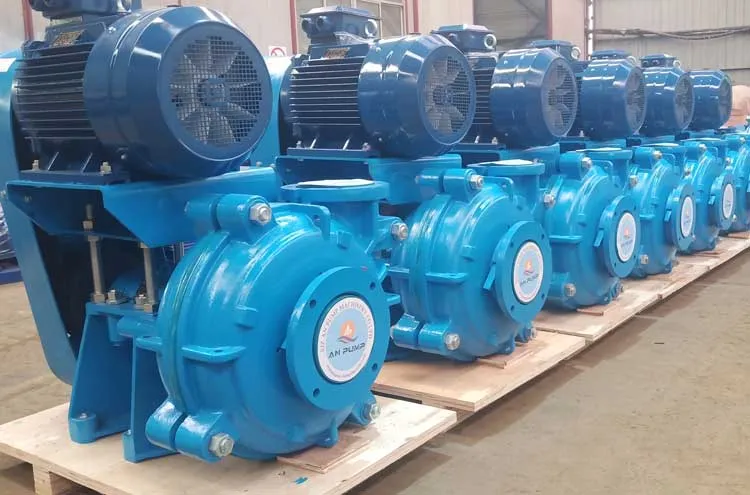
Selecting the right transport pump for industrial operations can significantly impact efficiency, safety, and overall productivity. Whether handling viscous liquids, delicate food products, or chemical solutions, choosing a pump that meets your operational requirements is crucial. This guide provides a detailed overview of the factors to consider when selecting transport pumps, with a focus on optimizing performance, reliability, and maintenance.
Understanding Transport Pumps
Transport pumps are specialized devices designed to move liquids from one location to another within an industrial system. They are commonly used in food processing, chemical production, pharmaceutical manufacturing, and other industries where precise fluid handling is essential. Among these, chocolate transfer pumps have emerged as critical equipment in the confectionery industry, where maintaining product quality and flow consistency is paramount.
Unlike standard pumps, transport pumps are engineered to handle a variety of viscosities, temperatures, and chemical compositions. Their design ensures that liquids are transported safely and efficiently, minimizing product loss, contamination, or operational downtime.
Key Considerations When Choosing Transport Pumps
- Determine the Type of Liquid
The first step in selecting the right transport pump is understanding the liquid you need to move. Factors such as viscosity, abrasiveness, temperature, and chemical properties will influence pump choice.
- Viscous liquids: High-viscosity fluids, such as syrups or chocolate, require pumps that can maintain a consistent flow without clogging or overheating. Chocolate transfer pumps, for example, are designed to handle thick, sticky liquids while preserving the integrity of the product.
- Abrasive or corrosive fluids: Liquids with suspended solids or corrosive chemicals require pumps constructed from durable materials such as stainless steel or specialized coatings to prevent wear and extend operational life.
- Temperature considerations: Some transport pumps are optimized to handle high-temperature liquids, while others are designed for cold or room-temperature fluids. Choosing a pump that can withstand temperature extremes is essential to avoid breakdowns and maintain efficiency.
- Assess Flow Rate and Pressure Requirements
Flow rate and pressure are critical parameters for any industrial pumping system. Understanding the volume of liquid that needs to be moved within a given timeframe will help you select a pump capable of meeting your operational demands.
High-capacity transport pumps are ideal for large-scale operations, while smaller pumps may suffice for localized tasks. Additionally, consider the pressure requirements: high-pressure pumps may be necessary to move liquids through long pipelines or against resistance from equipment. Ensuring the pump meets both flow and pressure specifications guarantees consistent and reliable performance.
- Evaluate Pump Construction and Materials
Industrial transport pumps must be built to withstand the conditions of your facility. Material selection affects durability, hygiene, and chemical compatibility.
- Stainless steel construction: Ideal for food and pharmaceutical industries due to corrosion resistance and ease of cleaning.
- Specialty coatings: Protect pumps handling aggressive chemicals or abrasive liquids.
- Sealing systems: Proper seals prevent leaks, contamination, and mechanical failures, which is especially important for products like chocolate that require hygienic handling.
The choice of construction materials ensures the pump will operate reliably under your specific industrial conditions, reducing maintenance costs and minimizing downtime.
- Consider Pump Type and Mechanism
Transport pumps come in various types, each suited to different applications:
- Gear pumps: Provide precise flow control and are excellent for viscous liquids. Chocolate transfer pumps often use gear mechanisms to maintain smooth and consistent movement.
- Centrifugal pumps: Best for low-viscosity liquids and high-flow applications.
- Diaphragm and peristaltic pumps: Ideal for handling sensitive or shear-sensitive liquids, such as food and pharmaceutical products, without causing damage.
Understanding the mechanism and functionality of each pump type allows operators to select the most efficient solution for their specific industrial needs.
- Prioritize Hygiene and Cleanability
In industries like food processing and pharmaceuticals, maintaining hygiene is critical. Transport pumps must be easy to clean and resistant to contamination.
Chocolate transfer pumps, for example, often include features that allow quick disassembly for cleaning and maintenance, reducing downtime while ensuring the product remains safe for consumption. Choosing pumps with hygienic design standards—such as smooth surfaces, minimal crevices, and FDA-compliant materials—enhances operational efficiency and safety.
- Energy Efficiency and Operational Costs
Energy efficiency is an important consideration in industrial operations, as pumps can be a significant source of energy consumption. Choosing a transport pump that operates efficiently reduces electricity costs and supports sustainable practices.
High-efficiency pumps not only save energy but also reduce wear and tear on the system, extending the lifespan of both the pump and associated equipment. Evaluating long-term operational costs, including maintenance and energy use, ensures that the selected pump delivers maximum value.
- Evaluate Maintenance Requirements
A transport pump should be easy to maintain, with readily available replacement parts and accessible components. Regular maintenance prevents unexpected breakdowns, extends pump life, and minimizes production downtime.
Chocolate transfer pumps, in particular, benefit from low-maintenance designs due to the sticky nature of the product. Pumps designed for simple cleaning and lubrication routines allow operators to maintain high productivity while minimizing labor costs.
- Consider Safety Features
Safety is paramount in industrial environments. Transport pumps should include features that protect operators and equipment, such as:
- Overload protection
- Leak detection
- Automatic shutoff in case of pressure or flow anomalies
Selecting pumps with these safety features ensures compliance with industry standards and reduces the risk of accidents or costly downtime.
Practical Tips for Selecting the Right Transport Pump
- Consult technical specifications: Always review the manufacturer’s datasheets to ensure the pump meets flow, pressure, and material compatibility requirements.
- Perform a site assessment: Evaluate the facility layout, liquid properties, and operational conditions before selecting a pump.
- Consider scalability: Choose pumps that can handle future expansion or increased production volumes.
- Request demonstrations or trials: Testing pumps in real operational conditions can prevent costly mistakes and ensure optimal performance.
- Factor in after-sales support: Reliable technical support and parts availability are essential for maintaining uptime.
Selecting the right transport pump for industrial applications is a decision that requires careful consideration of liquid properties, operational requirements, and long-term maintenance needs. From precise chocolate transfer pumps to high-capacity chemical transport systems, choosing the right equipment enhances efficiency, reliability, and safety across industrial operations.
By evaluating factors such as flow rate, pressure, construction materials, hygiene, and energy efficiency, industrial operators can make informed decisions that optimize productivity and minimize downtime. Investing in the right transport pump is not just about moving liquids—it’s about improving the overall performance and sustainability of your industrial processes.
