

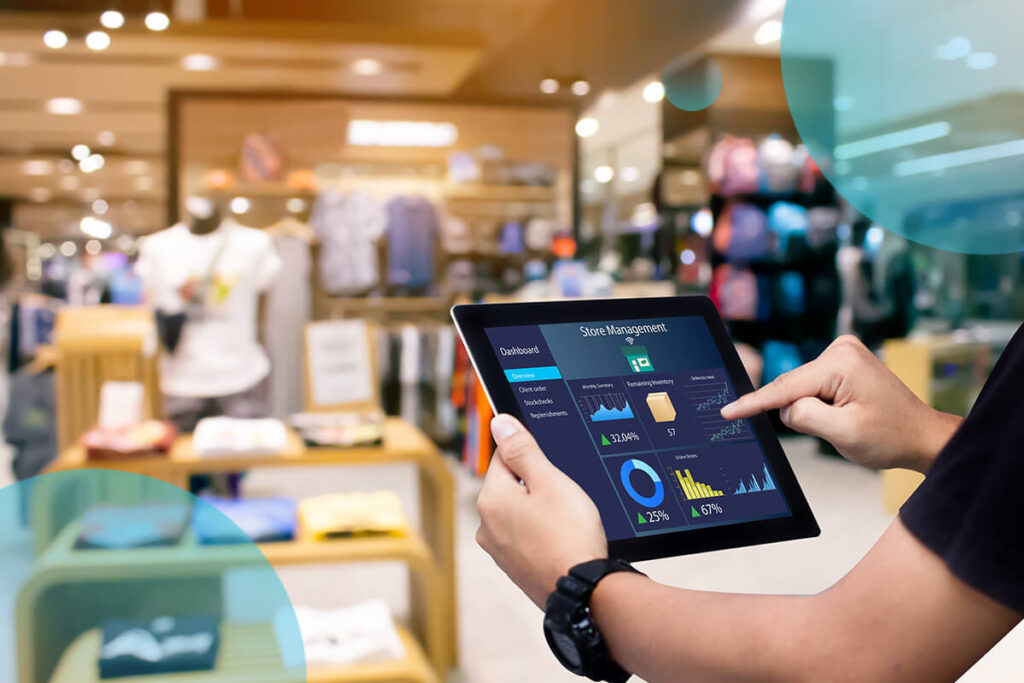
Artificial intelligence is rapidly reshaping industries across the globe, and retail is no exception. As consumer expectations grow and competition intensifies, AI software for retail has emerged as a key tool for improving efficiency, enhancing customer experience, and boosting profitability. From personalized recommendations to dynamic pricing and smart inventory management, AI is helping retailers make faster, smarter, and more data-driven decisions.
At its core, AI software for retail uses machine learning algorithms to analyze vast amounts of data—sales history, customer behavior, weather patterns, market trends, and more. It then translates that data into actionable insights that help businesses predict demand, optimize operations, and personalize interactions with customers.
One of the most visible applications of AI in retail is personalized shopping. AI-powered recommendation engines suggest products based on a customer’s browsing history, previous purchases, and even what similar customers have bought. This level of personalization enhances the customer experience, increases engagement, and significantly boosts conversion rates—whether on an e-commerce site or through in-store digital displays.
Another major advantage of AI in retail is inventory and supply chain optimization. AI software can forecast demand with a high level of accuracy, helping businesses avoid both stockouts and overstock situations. By analyzing patterns and identifying trends early, retailers can plan better promotions, reduce waste, and improve their overall inventory turnover. In complex environments like omnichannel retail, AI helps align stock across stores, warehouses, and online platforms.
AI is also playing a major role in dynamic pricing strategies. Rather than relying on static pricing models, retailers can use AI to adjust prices in real time based on demand, competition, time of day, and even weather. This enables businesses to stay competitive while maximizing revenue and margin on each product. For example, if a product starts trending or demand spikes, AI can suggest a price increase; if sales slow down, it may recommend a markdown to clear inventory.
In physical stores, AI is helping improve operational efficiency. Smart cameras and sensors can track foot traffic, monitor shelf stock, and even identify when an item is out of place. Some retailers are using AI-driven checkout systems that eliminate the need for scanning, making the customer journey faster and more convenient. These technologies also provide store managers with real-time insights that support better staffing decisions and layout optimization.
Fraud detection and loss prevention are other areas where AI software for retail is proving valuable. AI can monitor transactions and flag unusual behavior in real time, protecting both the retailer and the customer. Additionally, AI-powered chatbots are handling a growing share of customer service tasks, providing quick answers and freeing up staff to focus on more complex needs.
In conclusion, AI software for retail is no longer a futuristic concept—it’s a present-day necessity. Retailers that invest in AI gain a competitive edge through improved efficiency, better customer engagement, and smarter decision-making. As the technology continues to evolve, the retailers who embrace AI will be the ones best positioned for long-term success.
