

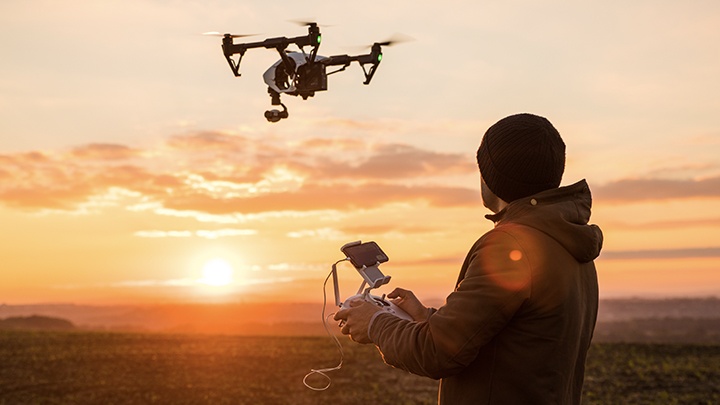
Is the cost of Sonoran Desert Institute worth considering for hobbyists who want to master drone photography, safely? For new pilots, the desire to capture cinematic footage is often matched by the responsibility of following FAA safety guidelines. Sonoran Desert Institute (SDI), accredited by the Distance Education Accrediting Commission (DEAC), offers online programs that teach smooth flight paths, camera techniques and safety protocols that keep every shot both beautiful and compliant. While anyone can try aerial photography, structured education helps ground the art of drone cinematography in responsibility.
The cost of training can directly affect how quickly pilots move from casual flying to professional-quality photography. SDI’s affordable programs offer an accessible path to mastering advanced camera techniques and FAA compliance, helping students avoid costly mistakes, like equipment damage, restricted airspace violations or unusable footage. By investing in structured, budget-friendly education, drone photographers gain the confidence to focus on creativity, while keeping every flight safe and legally sound.
Why Cinematic Shots Require Care
Drone photography has transformed how stories are told, giving hobbyists the chance to capture sweeping landscapes, dynamic motion and angles, once reserved for professionals with helicopters. Yet cinematic shots are more than flying in a straight line and pressing record. They require precision, technical awareness, and, above all, safety.
For hobby pilots, this often raises questions. How can I design flight paths that look smooth, without straying into restricted areas? What settings should I use to keep footage crisp? How do I balance creative ambition with FAA compliance? These questions lead many students to explore formal training and weigh the Sonoran Desert Institute cost as part of their journey from curious hobbyist to confident aerial storyteller.
Building Smooth Flight Paths
One of the hallmarks of cinematic drone footage is the smooth, flowing flight path. Jerky movements or sudden turns can ruin the immersive effect. To prevent this, pilots practice slow, deliberate inputs on their controls, combining yaw, pitch and altitude adjustments in harmony. This level of control not only enhances visual quality, but also demonstrates a pilot’s ability to manage the aircraft safely and confidently.
At SDI, students are taught to plan these movements, often sketching flight paths or simulating them in software, before ever launching. By building habits of intention, rather than improvisation, operators reduce errors and gain footage that feels polished. More importantly, structured training reminds them that creative ambition cannot override safe distances from people, property or restricted airspace.
Camera Settings for Cinematic Quality
While flight control lays the foundation, camera settings shape the visual mood. Frame rates, shutter speed, ISO and gimbal adjustments all contribute to creating professional-looking footage. For example, pilots seeking a cinematic feel often shoot at 24 frames per second, with a shutter speed twice the frame rate, to capture natural motion blur.
Adjusting ISO helps balance exposure, while careful gimbal movements add stability. These are skills that can take time to master, but structured lessons help shorten the learning curve. Students who evaluate Sonoran Desert Institute’s cost often point to these technical lessons as proof that tuition is more than academic. It provides applied knowledge they can use from day one.
Safety Protocols Behind the Lens
Capturing cinematic shots is exciting, but safety always comes first. FAA regulations require maintaining a visual line of sight, respecting altitude limits, and avoiding flights over crowds without waivers. Hobbyists must also check no-fly zones through apps, like B4UFLY and AirMap, before each flight.
SDI stresses that creativity should never come at the expense of safety. Students learn to integrate safety checks into their creative process, so that camera movements and flight paths remain compliant. By supporting this mindset, the institute highlights that cinematic quality is meaningless if it compromises safety, making responsibility a key part of the value students gain from their education.
From Hobbyists to Storytellers
Drone photography has become a gateway for many hobbyists into broader opportunities. Landscapes shot at sunrise, real estate promotions, and even social media storytelling all rely on cinematic footage, that blends technical mastery with artistic vision. Employers and clients expect both safety and quality.
Rather than relying on trial and error, students who complete structured programs gain the ability to design smooth flight paths, adjust camera settings with confidence, and still follow every safety protocol. This progression shows how the Sonoran Desert Institute cost translates into real outcomes: hobbyists become reliable aerial storytellers, capable of meeting professional standards.
Benefits for Different Learners
Military students often use VA or TA funding to pursue training, supported by SDI’s commitment to service members. Working adults value the completely online structure, which enables them to gain skills, without stepping away from their careers.
Career changers often appreciate the balance of affordability and practical training that allows them to transition into a growing industry. For all these groups, the cost is more than tuition. It represents access to flexible, accredited programs, that turn passion into professional capability.
Ethics and Responsibility in Creative Work
Drone cinematography also brings ethical considerations. Pilots are responsible for protecting privacy, respecting communities and avoiding reckless flights. SDI weaves these principles into its curriculum, emphasizing that creativity should build public trust, not compromise it. By grounding artistry in responsibility, the institute helps graduates become both skilled photographers and conscientious pilots.
Cinematic drone photography does not need to conflict with safety. With the right flight paths, camera settings and protocols, hobbyists can create stunning visuals, while maintaining compliance. Apps provide tools, but structured education provides the judgment to use them effectively. With Sonoran Desert Institute, cost is outlined clearly, so students understand the investment, and the value comes through accredited programs, applied learning and a strong focus on safety. With upfront tuition and project-focused lessons, students gain skills that are both practical and ready to use.
For hobbyists asking how to balance artistry with responsibility, SDI shows that the two can work together. Its programs give drone operators the skills to capture cinematic shots responsibly, the discipline to follow FAA rules, and the confidence to turn creative ambition into real opportunities.
