

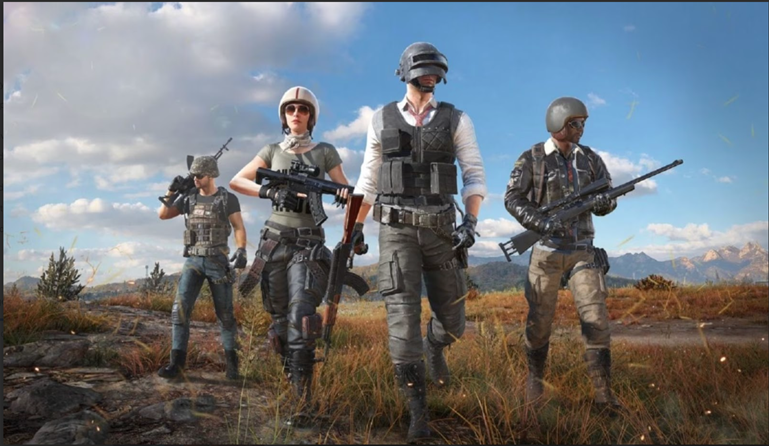
Players often believe that individual skill decides outcomes in competitive environments. The reality shows the opposite tendency. The efficiency of players in responding to pressure and adapting to unpredictable situations is determined by team coordination in multiplayer games today. Skill is essential, but team coordination is equally essential to keep one successful in a series of matches.
In shooting games of high intensity, coordination influences all the significant decisions. Players who understand team rhythm tend to maintain control even when situations shift rapidly.
Understanding Team Coordination in Multiplayer Games
Team coordination in multiplayer games involves players coordinating movement, timing, and objectives. It is a collective consciousness rather than individual responses. When coordination is strong, teams respond as a single unit rather than as separate individuals. Key elements of coordination include:
- Shared positioning that supports collective movement.
- Attack synchronisation on defensive coverage.
- Consciousness to relate individual performance to team goals.
Why Individual Skill Alone Cannot Sustain Success in Shooting Games
Many players invest time in improving aim and reaction speed. Those skills help in direct encounters. Yet an isolated skill often fails when team alignment breaks. In shooting games, a good gamer can go into a fight but lose an advantage without his teammates.
A collective that works together tends to perform better than one that uses individual capacity. This trend describes why established teams are consistent and individualistic players have inconsistent results.
How Coordination Shapes Decision-Making in Multiplayer Games
Every decision in multiplayer games affects more than one player. When a single player takes on too much of an offensive role, the other players have to change positions. A delay in a player’s movement causes the team to lose momentum. Coordination influences decisions in the following ways:
- Movement decisions become collective rather than individual.
- Resource usage reflects team priorities rather than personal preference.
- Risk evaluation is based on the team’s preparation, not on individual confidence.
These aspects shift reactive behaviour into a strategy.
Technical Factors that Strengthen Team Coordination
Game design increasingly supports coordinated play through technical systems. Such systems lead players to think in groups and not individually. Important technical mechanisms include:
- Ping systems are non-voice interactive communication.
- Mini-map indicators showing team positions.
- Hard metrics that focus the team.
In shooting games, these systems reduce uncertainty and help players anticipate teammates’ actions more accurately.
Emotional Impact of Coordinated Gameplay
Coordination creates a sense of shared purpose. Players feel accountable for their performance and the team’s stability. This emotional bond enhances the interest and increases the commitment in the long term.
When coordination works well, players experience confidence rather than tension. When coordination is lost, players are aware of areas of misalignment rather than attributing individual errors.
Final Thoughts
In modern multiplayer games, coordination defines performance more clearly than individual brilliance. For instance, in competitive shooting games, players perform well when they focus not only on individual performance but also on decisions aligned with team dynamics.
Simply put, team performance is a major defining factor that impacts your success and overall gaming experience.
