

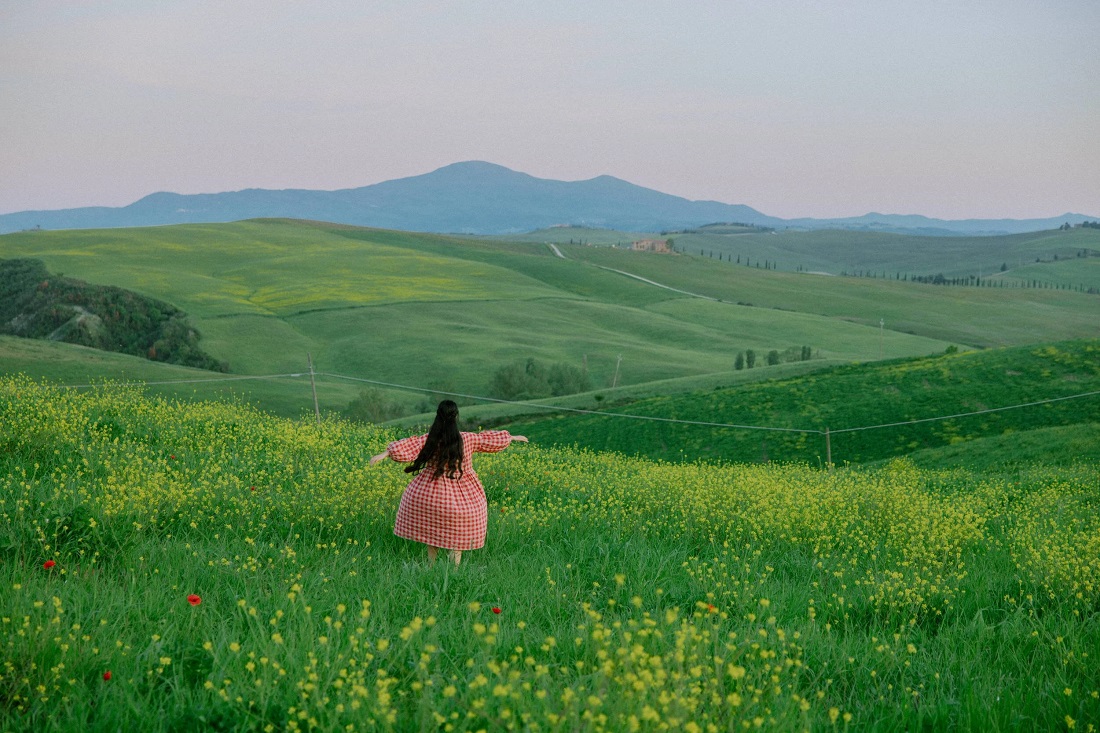
In an age of rushed itineraries and checklist tourism, slow travel is reshaping how people explore the world. Rather than racing from landmark to landmark, this approach encourages travelers to pause, connect, and truly experience a destination. It’s not about how many places you visit, but how deeply you experience them.
What Is Slow Travel?
Slow travel is a philosophy rooted in intentional movement and mindful exploration. Travelers spend more time in fewer places, often choosing local transportation, neighborhood stays, and authentic cultural experiences over fast-paced sightseeing.
At its core, slow travel values:
- Quality over quantity
- Cultural immersion
- Environmental responsibility
- Personal connection
Why Slow Travel Is Gaining Popularity
The rise of remote work, sustainability awareness, and travel burnout has made slow travel especially appealing. Many travelers now seek journeys that feel restorative rather than exhausting.
Key reasons people are embracing slow travel
- Reduced stress and travel fatigue
- Deeper cultural understanding
- Lower environmental impact
- Stronger connections with local communities
How Slow Travel Transforms the Travel Experience
When you slow down, destinations reveal layers often missed by hurried visitors. A city becomes more than its attractions; it becomes a living place with rhythms, routines, and stories.
Experiences that define slow travel
- Shopping at local markets instead of tourist malls
- Using trains, bicycles, or walking rather than flights
- Staying in guesthouses or long-term rentals
- Learning basic phrases of the local language
- Participating in everyday life, from cooking to festivals
Slow Travel and Sustainability
One of the strongest benefits of slow travel is its alignment with sustainable tourism. Fewer flights, longer stays, and local spending significantly reduce the negative impact tourism can have on destinations.
Environmental and social benefits include
- Lower carbon emissions
- Support for small, local businesses
- Reduced pressure on overcrowded attractions
- Preservation of cultural traditions
Tips for Planning a Slow Travel Journey
Slow travel doesn’t require complicated planning. It simply requires a shift in mindset.
Practical ways to start slow traveling
- Choose one destination instead of multiple cities
- Stay for at least a week or more
- Build free days into your schedule
- Travel during off-peak seasons
- Let curiosity, not schedules, guide your days
Who Is Slow Travel Best For?
Slow travel suits a wide range of travelers, from solo explorers to families and retirees. It’s especially rewarding for those who value experience, reflection, and connection over speed and spectacle.
Whether you’re exploring a quiet coastal town or settling into a historic neighborhood, slow travel turns trips into meaningful life experiences rather than fleeting memories.
Frequently Asked Questions (FAQs)
1. Is slow travel more expensive than traditional travel?
Not necessarily. Longer stays often reduce daily costs, especially with local accommodations and transportation.
2. Can slow travel work for short vacations?
Yes. Even a long weekend can be slow if you focus on one area and avoid overpacking your schedule.
3. Do I need to travel internationally to practice slow travel?
No. Slow travel can be done close to home by exploring nearby towns or regions in depth.
4. Is slow travel suitable for families with children?
Absolutely. Children often benefit from routine, familiarity, and hands-on cultural experiences.
5. How does slow travel differ from digital nomad travel?
Slow travel focuses on immersion and presence, while digital nomad travel centers on balancing work with mobility. They can overlap but have different priorities.
6. Does slow travel mean avoiding tourist attractions completely?
Not at all. It simply means engaging with them thoughtfully and balancing them with local experiences.
7. What mindset is most important for slow travel?
Flexibility. Letting go of rigid plans allows authentic moments and unexpected discoveries to happen naturally.
