

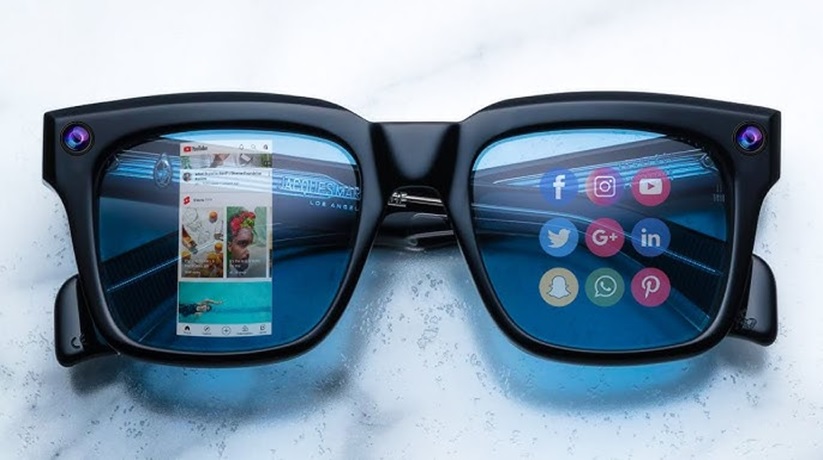
In recent years, wearable technology has expanded beyond smartwatches and fitness bands into the realm of eyewear. The concept of smart sunglasses—that is, sunglasses incorporating digital functionality beyond mere UV protection—is no longer purely futuristic. According to industry definitions, “smart glasses” are wearable devices that integrate displays, sensors or connectivity features into eyewear. Such innovations include anything from built-in microphones and cameras to augmented-reality overlays and fitness tracking. In other words, yes: smart sunglasses are very much a real thing, though not all models are created equal in terms of capabilities, maturity and use-cases.
- What Features Do Smart Sunglasses Offer?
Smart sunglasses vary widely, but several recurring features have become common across models:
- Audio/microphone integration: Some frames include built-in speakers and mics, allowing hands-free calls, voice assistants or music playback. For example, many audio-sunglasses models fall under the “smart” label thanks to these functions.
- Camera or video capture: More advanced models incorporate one or more front-facing cameras, enabling photo/video recording, live streaming or capturing first-person footage.
- Wireless connectivity: Bluetooth or WiFi connectivity allows pairing with smartphones, enabling data sync, notifications or remote control.
- Heads-up display (HUD) / AR overlays: The most advanced smart glasses add displays or augmented reality overlays, projecting information into the wearer’s field of view—navigation prompts, text translation, or contextual info.
- Optical/sunglass functions: Naturally, since we’re talking about sunglasses, many models combine these electronics with traditional lens functionality—UV protection, tinted lenses, wraparound sport frames, etc. In some definitions of “smart sunglasses” the lens itself can even adapt electronically (e.g., variable tint, polarization).
For example, one notable model is the Oakley Meta HSTN, which uses the venerable sporty sunglasses brand’s design combined with “Meta” tech (from Meta Platforms) for smart-features geared toward athletes (camera, open-ear speakers, lenses suited to outdoor sport).
- Use Cases and Real-World Applications
Smart sunglasses are not just novelty gadgets; they have meaningful applications:
- Sports and outdoor activity: High-end models offer performance tracking, video capture of workouts, integration with fitness platforms like Strava or Garmin, so you can record your ride, see analytics and review footage—all while wearing sunglasses. For example, recent models jointly branded by Oakley and Meta are aimed at cycling and running.
- Hands-free audio or calls while on the move: For casual wearers or commuters, smart sunglasses with built-in speakers let you listen to music, take calls or access voice assistants without earbuds or headphones.
- Augmented-reality / productivity: Leading-edge smart glasses can overlay text, translate signage, display notifications in the wearer’s view—opening doors for accessibility, navigation, information-on-the-go.
- Content creation and sharing: Because they’re mounted on your face, cameras built into sunglasses let you capture first-person perspective photos/videos naturally—ideal for travel or social sharing.
- Health / workplace / specialized uses: Some smart glasses are used in industry, education or healthcare where hands-free data in the field is valuable.
In short: depending on your need, smart sunglasses can serve as a wearable computer, a sportspecific tool, a media device, or simply a stylish way to stay connected.
- Challenges, Limitations and Things to Consider
Despite the promise, smart sunglasses still face a number of limitations:
- Battery life: Because of the electronics (camera, speakers, connectivity), battery life tends to be shorter than regular sunglasses, especially if using video or AR features.
- Weight and form-factor: Embedding electronics into frames can make them bulkier or heavier than regular sunglasses, potentially impacting comfort. Some users find fit and style still lag behind purely optical eyewear.
- Cost: Smart sunglasses are generally significantly more expensive than standard sunglasses because of the embedded tech.
- Privacy and usage concerns: Because of cameras/mics in frames, there are privacy debates about their use in public, recording others without consent, etc.
- Optical quality / lens options: For sunglasses specifically, lens quality (polarisation, tint, prescription compatibility) remains important. Some smart models may compromise optical variety for electronic functionality.
- Maturity of ecosystem: While the hardware exists, the software, apps and user experience are still developing. Some smart glasses deliver “good enough” rather than “great” experiences. For example, head-up displays may still be lower resolution or less intuitive.
Thus, while smart sunglasses are real and functional, you should consider whether the features align with your priorities—style vs technology vs optical performance.
- What’s Next? And What to Look for If You’re Interested
The future for smart sunglasses appears bright. As components shrink, lens technology advances and AR/AI integrations improve, we can expect more capable and stylish models. For example, recent articles indicate brands are moving toward more seamless AR displays and advanced AI capabilities in eyewear.
If you’re considering purchasing smart sunglasses, keep an eye out for:
- Lens quality and fit: Ensure the sunglasses meet your optical and comfort needs (e.g., UV protection, polarization, wraparound fit).
- Core smart features: Decide what matters – camera? audio? fitness tracking? AR overlay? Then pick a model that focuses on that.
- Battery / charging case: Evaluate how long they last in real use and whether charging options suit you.
- Compatibility: Make sure they sync with your smartphone, apps, or fitness platform you already use.
- Style and durability: Smart frames should look and feel like good sunglasses (especially if you’ll wear them frequently), and quality build matters if used in active or outdoor settings.
- Brand and ecosystem: Some brands/partners (e.g., Oakley + Meta) signal strong investment in the space and better software support over time. For instance, the mention of Oakley Meta sunglasses (or more specifically Oakley’s smart eyewear line in collaboration with Meta) points toward a serious entry into the market.
- Use-case match: If you’re an athlete, go for sport-mode smart sunglasses (durable, lens swap, fitness tracking). If you want everyday wear, go for lighter, more lifestyle-oriented smart sunglasses with fewer compromises on look and weight.
Smart sunglasses are very much a real thing—not just concept devices. From audio-enabled frames to fully featured AR eyewear, they span a spectrum of features and use-cases. If you keep your expectations grounded and select based on your priorities (style, tech, optical quality), they can be a compelling wearable.
